


Modern data centers are evolving rapidly as AI, cloud computing, and edge technologies demand greater processing power. With increased density comes greater heat generation, making traditional air cooling insufficient. Coolant distribution units are now at the forefront of advanced infrastructure strategies. To ensure reliability and energy efficiency, data centers must adopt smarter thermal solutions. One of the most critical components enabling this transition is a well-designed coolant distribution framework.
Table of Contents
- The Growing Challenge of High-Density Data Centers
- What are Coolant Distribution Units?
- Why High-Density Data Centers Depend on CDUs
- Key Components of Advanced CDUs
- The Role of Liquid Cooling Performance Modules
- Integration with Modern Data Center Architecture
- Services, Products, and Technologies Supporting CDU Deployment
- Operational Benefits of CDUs in High-Density Environments
- Why CDUs Are Essential?
- Choosing the Right CDU for Your Data Center
- FAQs
- What does a coolant distribution units do in a data center?
- How are CDUs different from traditional cooling systems?
- Are CDU units suitable for AI and high-performance computing workloads?
- What role do coolant control and monitoring systems play?
- Can liquid cooling performance modules improve scalability?
- FAQs
- Conclusion
The Growing Challenge of High-Density Data Centers
High-density data centers house powerful servers in compact spaces. These environments generate extreme thermal loads that can compromise performance and equipment lifespan. As rack power density continues to rise beyond 20kW and even 50kW per rack, conventional airflow management simply cannot keep up.
Thermal instability leads to:
- Reduced hardware efficiency
- Increased energy consumption
- Higher operational costs
- Risk of downtime and equipment failure
To overcome these challenges, advanced data center thermal management strategies are essential. This is where intelligent CDUs in Calgary become a core infrastructure requirement rather than an optional upgrade.
What are Coolant Distribution Units?
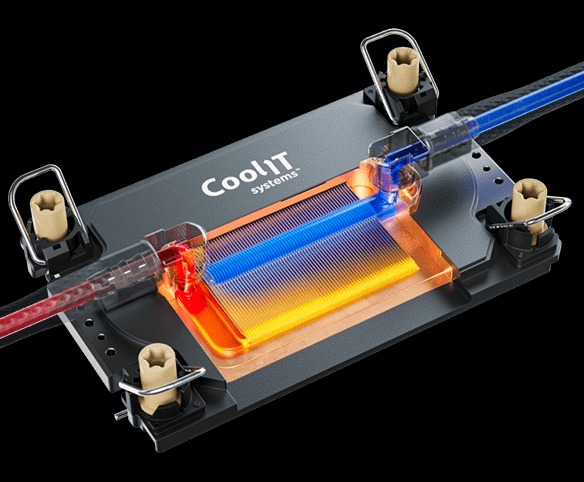
It is a specialized system designed to circulate, regulate, and monitor liquid coolant within a data center environment. It efficiently and consistently transfers heat away from high-performance servers and IT equipment. Unlike traditional air-based systems, a data center CDU uses liquid as a medium to absorb and remove heat directly from components such as CPUs and GPUs. This direct approach allows for superior heat transfer and improved energy efficiency.
Modern cdu units are equipped with advanced pumps, heat exchangers, filtration systems, and integrated sensors. These features allow operators to maintain optimal temperatures while ensuring safe and continuous operation.
Why High-Density Data Centers Depend on CDUs
1. Superior Heat Removal
As computing loads increase, heat output rises proportionally. A cooling distribution unit offers direct-to-chip or immersion cooling compatibility, ensuring rapid heat extraction at the source. By integrating high-performance CDUs, facilities can support AI clusters, machine learning workloads, and high-performance computing environments without risking overheating.
2. Enhanced Data Center Thermal Management
Effective data center thermal management requires precision control. Modern coolant control and monitoring systems within CDUs provide real-time temperature tracking, pressure monitoring, and flow regulation.
This level of visibility allows operators to:
- Detect anomalies early
- Prevent thermal spikes
- Optimize cooling efficiency
- Reduce energy waste
Without a reliable coolant distribution units, maintaining stable operating conditions becomes increasingly difficult in dense computing environments. This can lead to overheating, reduced performance efficiency, unexpected downtime, and potential hardware damage over time.
3. Improved Energy Efficiency
Liquid cooling is inherently more efficient than air cooling. A properly configured data center CDU reduces reliance on CRAC units and high-powered fans, lowering overall power consumption. Advanced cdu units are engineered to maximize heat-exchange efficiency while minimizing pump energy consumption. This balance significantly improves PUE, which is a key metric for data center sustainability.
4. Scalability for Future Growth
High-density environments must be adaptable. As IT infrastructure expands, cooling systems must scale accordingly. Modern CDUs are modular, allowing seamless expansion without major infrastructure overhauls. A flexible cooling distribution unit ensures that new racks, GPUs, or AI processors can be integrated without redesigning the entire cooling architecture across Alberta.
Key Components of Advanced CDUs
To understand their value, it’s important to explore the core components inside high-performance CDUs:
Heat Exchangers
Heat exchangers transfer thermal energy from the coolant to the facility water loops. This prevents overheating and ensures consistent performance.
Precision Pumps
Variable-speed pumps regulate coolant flow according to system demands, ensuring efficient operation under varying loads.
Intelligent Sensors
Integrated coolant control and monitoring systems provide real-time data on temperature, flow rate, and pressure levels.
Filtration Systems
Clean coolant is critical. Advanced filtration prevents contamination and protects sensitive server components.
Upgrade your data center efficiency today with CoolIT Systems’ advanced CDU solutions.
The Role of Liquid Cooling Performance Modules
Liquid cooling performance modules enhance CDU efficiency by optimizing heat transfer at the rack and component levels. These modules are specifically designed to support high-density deployments, such as AI and GPU-heavy workloads. By combining data center CDU infrastructure with advanced liquid-cooling modules, facilities can achieve superior thermal control and operational stability.
These modules also contribute to:
- Lower latency due to stable hardware performance
- Reduced thermal throttling
- Extended equipment lifespan
- Higher rack density capacity
Integration with Modern Data Center Architecture
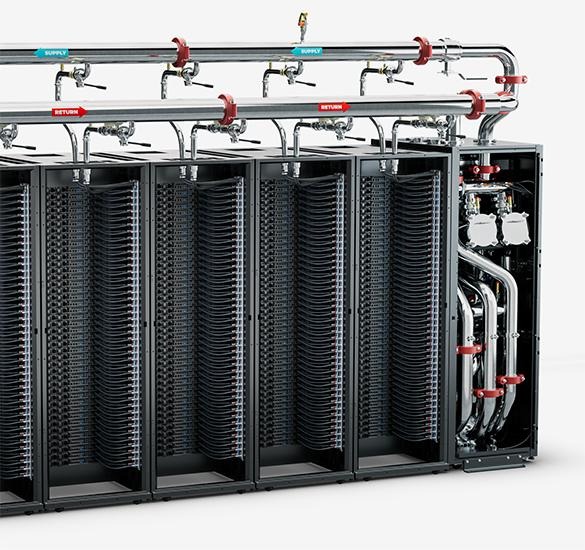
A cooling distribution unit integrates seamlessly with contemporary infrastructure models, including edge data centers, hyperscale facilities, and colocation environments.
When deployed strategically, CDUs support:
- Direct-to-chip cooling systems
- Immersion cooling tanks
- Hybrid cooling architectures
- Rear-door heat exchangers
This adaptability ensures that high-density environments can meet today’s demands while preparing for tomorrow’s innovations.
Services, Products, and Technologies Supporting CDU Deployment
Leading providers offer comprehensive solutions that combine engineering expertise, advanced product design, and intelligent control technologies.
- Design and Engineering Services: Professional consultation ensures that the selected coolant distribution units matche workload density, facility design, and future expansion plans.
- Deployment and Integration: From installation to commissioning, specialized teams ensure seamless integration of CDUs with existing infrastructure.
- Smart Monitoring Technologies: Modern coolant control and monitoring systems leverage digital dashboards and predictive analytics to optimize performance.
- Advanced Product Portfolio: High-efficiency data center CDU models, modular cdu units, and scalable cooling distribution unit configurations are available to meet diverse operational needs.
- Innovative Liquid Cooling Technologies: Next-generation liquid cooling performance modules, precision pumps, and heat exchanger technologies enhance reliability and performance.
CoolIT Systems delivers comprehensive cooling innovation through advanced engineering, modular CDUs, intelligent monitoring technologies, and scalable liquid cooling solutions designed for high-density data centers.

Operational Benefits of CDUs in High-Density Environments
Reduced Downtime Risk
Thermal fluctuations are one of the primary causes of unexpected outages. With advanced data center thermal management capabilities, CDUs maintain consistent temperatures and protect mission-critical systems.
Lower Operational Costs
Energy-efficient cdu units reduce electricity usage and cooling overhead. Over time, these savings significantly impact the total cost of ownership in Alberta.
Sustainable Infrastructure
By reducing energy waste and improving cooling efficiency, CDUs contribute to environmental sustainability goals.
Enhanced Performance Stability
High-density workloads demand consistent performance. A well-implemented distribution unit ensures stable hardware operation under peak loads.
Why CDUs Are Essential?
- Enable direct heat removal from high-power processors
- Support advanced data center thermal management strategies
- Improve PUE and reduce cooling energy consumption
- Provide real-time coolant control and monitoring systems
- Integrate with liquid cooling performance modules
- Ensure scalability for future expansion
- Minimize risk of downtime and hardware damage
Choosing the Right CDU for Your Data Center
When selecting a data center CDU, organizations should evaluate:
- Rack density requirements
- Redundancy configurations
- Monitoring capabilities
- Energy efficiency ratings
- Compatibility with liquid cooling performance modules
The right cooling distribution unit not only protects infrastructure but also enables long-term growth and operational excellence.
FAQs
What does a coolant distribution units do in a data center?
A coolant distribution unit circulates and regulates liquid coolant to remove heat from servers and IT equipment. It ensures stable operating temperatures and prevents overheating in high-density environments.
How are CDUs different from traditional cooling systems?
CDUs use liquid cooling instead of air to transfer heat directly from components. This provides higher efficiency, better heat removal, and improved data center equipment compared to air-based systems.
Are CDU units suitable for AI and high-performance computing workloads?
Yes, modern CDU units are specifically designed to handle GPU-intensive and AI-driven workloads. They support high rack densities and maintain consistent thermal performance under heavy loads.
What role do coolant control and monitoring systems play?
These systems track temperature, pressure, and flow rates in real time. They help detect potential issues early and ensure the cooling distribution unit operates safely and efficiently.
Can liquid cooling performance modules improve scalability?
Absolutely. Liquid cooling performance modules enhance heat transfer efficiency, enabling data centers to increase rack density without compromising performance or reliability.
Conclusion
High-density data centers demand advanced cooling strategies to manage rising thermal loads. Traditional air cooling methods are no longer sufficient for AI and HPC environments. A properly engineered coolant distribution unit ensures reliable, efficient, and scalable operations. By integrating intelligent CDUs, organizations can achieve superior data center thermal management and long-term sustainability. Investing in the right cooling distribution unit today prepares your infrastructure for tomorrow’s performance demands.