


There is a moment every pet owner hopes they never experience. Your dog suddenly cannot walk normally. Your cat disappears under the bed and refuses to come out. Your usually energetic companion becomes quiet, uncomfortable, or completely different from their normal self.
The hardest part is often not just seeing your pet struggle. It is deciding what to do next.
Many owners ask themselves the same questions during these moments. Is this serious enough to visit an emergency facility? Should I wait and see if it improves? Am I overreacting?
That uncertainty is understandable. Pets cannot explain where they hurt or how long they have felt unwell. They also naturally hide pain, which means some health problems can appear suddenly even when something has been developing for a while.
For pet owners in Encino and nearby San Fernando Valley communities, understanding the signs of an emergency and knowing where to find an emergency pet hospital near you in Encino can help you make faster, more confident decisions when your pet needs immediate attention.
The goal is not to diagnose your pet at home. It is to recognize when something is wrong and know when professional help is needed.
What Actually Qualifies as a Pet Emergency?
One of the biggest challenges for owners is knowing the difference between a minor health concern and a situation that requires urgent care.
Some emergencies are obvious. A serious accident, poisoning, or difficulty breathing is usually easy to recognize. Other problems are more subtle and may begin with small changes in behavior.
A pet emergency can include situations such as:
- Trouble breathing, collapse, seizures, or sudden weakness
- Severe injuries, uncontrolled bleeding, poisoning, or extreme pain
However, emergencies are not always dramatic. A pet that suddenly refuses food, acts confused, struggles to move, or hides more than usual may also need medical attention.
Many owners delay care because they hope symptoms will improve on their own. In some cases, waiting can allow a manageable problem to become much more serious.

Signs Your Dog May Need Immediate Veterinary Attention
Dogs often communicate discomfort through changes in their behavior. Some become restless or clingy, while others become unusually quiet.
Pay attention to changes such as:
Difficulty breathing
Breathing problems should always be taken seriously. Heavy breathing after exercise can be normal, but struggling to breathe, unusual breathing sounds, or sudden changes in breathing patterns require prompt attention.
Sudden weakness or collapse
A dog that suddenly falls, cannot stand properly, or seems extremely tired may be experiencing an underlying problem that needs evaluation.
Severe vomiting or stomach problems
Occasional digestive issues happen, but repeated vomiting, bloating, abdominal discomfort, or signs of dehydration can indicate a more serious condition.
Injuries
Dogs are naturally active and curious. Accidents can happen during walks, playtime, or even inside the home.
Even if an injury appears minor, internal damage may not always be visible. Seeking help from a trusted veterinary hospital near you can provide answers and prevent complications.
Signs Your Cat May Need Emergency Care
Cats are experts at hiding illness. This behavior comes from their natural instincts, but it can make health problems harder for owners to recognize.
Some warning signs in cats include:
- Hiding more than usual
- Sudden loss of appetite
- Difficulty using the litter box
- Changes in movement or grooming habits
- Unusual vocalization or behavior
A cat that stops eating or suddenly becomes withdrawn should not always be considered “just stressed.” Cats can develop serious health issues quickly, and early attention can make treatment easier.
This is why understanding your cat’s normal personality and habits is so important.
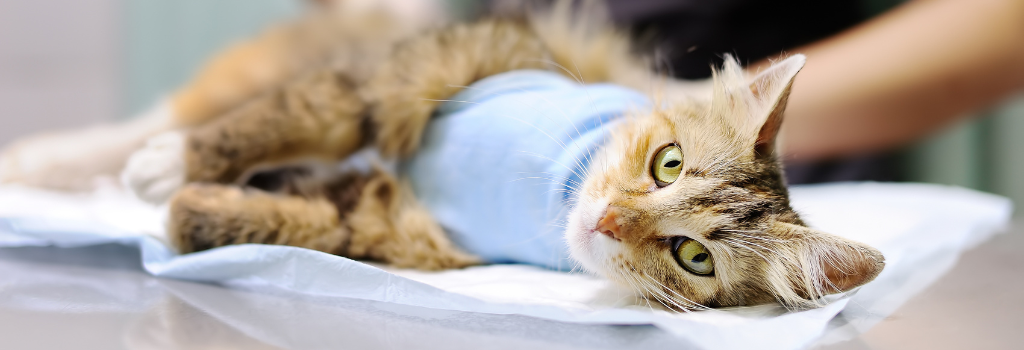
Common Pet Emergencies Seen by Veterinarians
Emergency veterinary visits happen for many different reasons. Some involve accidents, while others involve illnesses that progress quickly.
Accidental poisoning
Pets can accidentally consume medications, cleaning products, certain foods, or plants that are harmful to them. In these situations, time matters. Even if your pet appears normal initially, some toxins can cause delayed symptoms.
Injuries and trauma
Falls, accidents, fights with other animals, and other injuries can require immediate evaluation. A veterinarian may recommend imaging, medication, wound care, or additional treatment depending on the severity.
Sudden illness
Conditions affecting the digestive system, heart, nervous system, or other organs can sometimes develop rapidly. A pet may appear fine one day and show serious symptoms the next. This is why sudden changes should never be ignored.
Surgical emergencies
Some urgent conditions require procedures to protect a pet’s health. Severe injuries, internal problems, or certain medical conditions may require immediate surgical care.
In these situations, access to experienced pet surgery options near you can be important for getting timely treatment.
What Happens During an Emergency Veterinary Visit?
Many owners feel nervous because they do not know what will happen when they arrive at an emergency facility.
The first step is usually an assessment of your pet’s condition. The veterinary team checks important signs, evaluates symptoms, and determines what needs attention first.
Depending on what they find, your pet may need:
- Diagnostic testing such as bloodwork or imaging
- Medication or supportive treatment
- Monitoring
- Additional procedures or surgery
Emergency care is not only about treating symptoms. It is about understanding what is happening and creating a plan based on your pet’s individual needs.
Clear communication is also important. Owners should feel comfortable asking questions about treatment options, expected outcomes, and recovery.

Why Preparation Matters for Encino Pet Owners
A pet emergency is stressful enough without having to search for information while your companion is struggling.
For families in Encino, Sherman Oaks, Tarzana, and surrounding areas, knowing your veterinary options ahead of time can save valuable time during an urgent situation.
Simple preparation steps can make a difference:
- Keep your pet’s medical records and medication information available
- Save important veterinary contact details on your phone
- Know your pet’s normal behavior so you can notice changes quickly
Being prepared does not mean expecting something bad to happen. It simply means being ready to respond when your pet needs help.
Preventive Care Can Help Catch Problems Earlier
Not every emergency can be prevented, but regular veterinary care can help identify health concerns before they become urgent.
Wellness examinations, vaccinations, dental care, and routine monitoring give veterinarians important information about your pet’s overall health.
Many owners look for pet vaccinations near them because keeping pets protected from preventable diseases is an important part of responsible ownership.
Preventive care also creates a health history for your pet, which can be valuable during unexpected situations.
FAQs
How do I know if my pet’s problem is an emergency?
Breathing difficulties, collapse, severe injuries, poisoning, seizures, and sudden major behavior changes should be treated as urgent.
Should I wait if my pet seems slightly unwell?
If symptoms are unusual, sudden, or getting worse, it is better to contact a veterinary professional rather than waiting too long.
Are emergency visits only for serious injuries?
No. Emergency care can also help with sudden illnesses, poisoning, breathing problems, and other urgent health concerns.
How can I prepare for a pet emergency?
Keep medical records available, understand your pet’s normal behavior, and know where to seek urgent veterinary support before you need it.
Can older pets have emergency situations too?
Yes. Older pets can experience sudden health changes and may need urgent evaluation depending on their symptoms.
Knowing What To Do Before an Emergency Happens
A pet emergency can turn an ordinary day into a stressful situation within minutes. The fear and uncertainty can make it difficult to think clearly.
Learning the warning signs, understanding when professional help is needed, and preparing ahead of time can help you respond more effectively.
For pet owners in Encino, having a plan before an emergency occurs provides peace of mind. When your companion depends on you most, knowing what steps to take can make all the difference.

Call Encino Pet Hospital & Emergency for trusted veterinary care, vaccinations, or immediate emergency support in Encino.