


Table of Contents
- Understanding Solar Panel Installation and Home Energy Efficiency
- How Solar Panel Installation Improves Energy Efficiency at Home
- Why Edmonton Homeowners Are Choosing Solar Energy
- What to Expect From Professional Solar Panel Installers
- When Should You Call a Residential Electrical Contractor?
- Maximizing Energy Efficiency After Installation
- Frequently Asked Questions
- Does solar panel installation work well in Alberta’s climate?
- How long does a typical residential project take to complete?
- Will existing home wiring need to be replaced before installation?
- How much can a household expect to save on energy bills?
- What should homeowners look for when comparing providers?
- Does weather affect long-term system performance in this region?
- Frequently Asked Questions
- Conclusion
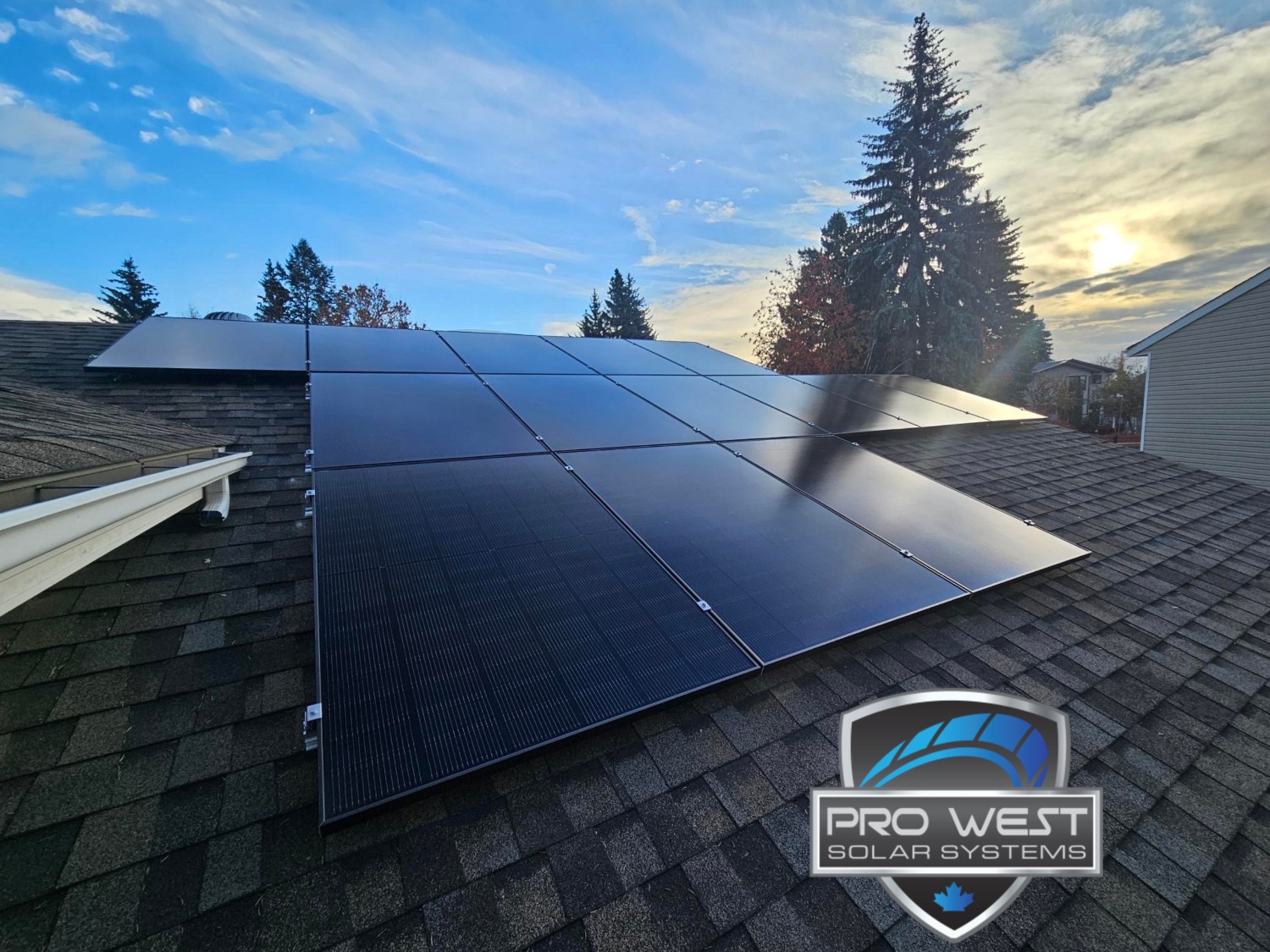
Homeowners across Alberta are asking a simple question. Does switching to renewable energy actually improve how a house performs? The short answer is yes, and the reasons go beyond a lower monthly bill. Solar panel installation changes how a property generates, stores, and uses power throughout the year. It shifts a home away from constant grid dependence. For many families, this shift also means fewer surprises during peak pricing seasons. Pro West Solar Systems has seen firsthand how a well-planned system transforms a household’s daily energy habits. This guide breaks down the technical, financial, and practical sides of the topic in plain language.
Understanding Solar Panel Installation and Home Energy Efficiency
Energy efficiency refers to how much useful output a home gets from the power it consumes. A solar panel installation adds a renewable source directly onto a rooftop or property. Sunlight is converted into electricity through photovoltaic cells. That electricity then powers appliances, lighting, and heating systems inside the home. Because the source sits on-site, less energy is lost during transmission compared to grid electricity. This localized generation is one reason efficiency gains are measurable within the first year. Homeowners often notice a difference in their utility statements almost immediately.
The Science Behind Panel Efficiency
Photovoltaic technology has advanced significantly over the past decade. Modern panels convert a higher percentage of sunlight into usable electricity than older models. This means fewer panels are often needed to meet the same household demand. A properly sized solar panel installation accounts for roof angle, shading, and local weather patterns. Each of these factors affects how much energy a system produces daily. Better science translates directly into better real-world performance for the average home.
How Solar Panel Installation Improves Energy Efficiency at Home
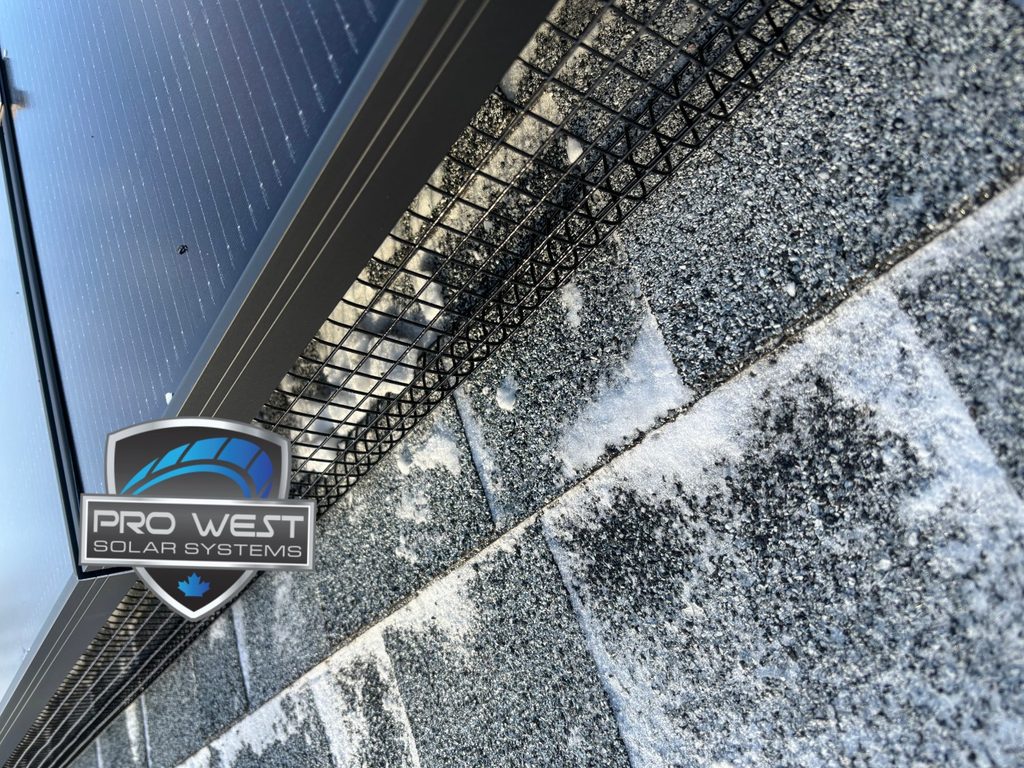
A solar system does more than generate electricity from sunlight. It also encourages homeowners to monitor and manage consumption more closely. Many systems come with monitoring apps that track production and usage in real time. This visibility often leads to smarter habits, such as running appliances during peak sunlight hours. Over time, these small adjustments add up to noticeable efficiency improvements. The combination of clean generation and better awareness is what makes the biggest difference.
Reduced Reliance on Grid Electricity
One of the clearest efficiency benefits is reduced dependence on the public grid. When panels generate more power than a home needs, that surplus can offset future consumption. This reduces strain on the local power supply during high-demand periods. Homeowners also gain a buffer against rate increases from utility providers. Solar panel installation in Edmonton has become popular partly because of this added stability. Families appreciate knowing part of their power comes from a source they control.
Long-Term Savings on Utility Bills
Efficiency and savings are closely connected once a system is active. Lower grid consumption naturally leads to smaller monthly electricity bills. Many homeowners recover a portion of their installation cost within several years. After that point, the system continues producing value with minimal added expense. This long-term outlook is why many Alberta residents view solar as a practical investment, not a luxury upgrade. Financial returns tend to improve as utility rates rise over time.
Why Edmonton Homeowners Are Choosing Solar Energy
Local interest in renewable power has grown steadily across the region. Rising utility costs and greater environmental awareness are driving much of this change. Edmonton solar panel installation projects have increased noticeably over recent years. Homeowners want predictable energy costs and a smaller environmental footprint. The combination of strong summer sunlight hours and provincial incentives makes the timing favourable. These factors together explain why so many local properties are adopting solar technology.
Local Climate Considerations for Solar Panel Installation in Edmonton
Alberta’s climate presents unique opportunities for solar energy production. Long summer daylight hours allow panels to generate significant electricity during warmer months. Even during colder seasons, panels remain efficient because cold air does not reduce output. Snow can temporarily cover panels, but most systems are angled to shed it quickly. Understanding these seasonal patterns helps installers design systems suited to the local environment. A tailored design ensures consistent performance throughout the entire calendar year.
Choosing the Best Solar Panel Installation Company
Selecting the right provider matters as much as the equipment itself. The best solar panel installation company will assess a property thoroughly before recommending a system. This includes reviewing roof condition, electrical panel capacity, and household energy needs. A trustworthy provider explains every step clearly and answers questions honestly. Experience with local permitting and utility interconnection processes also matters greatly. Homeowners should look for transparent pricing and realistic performance expectations from any provider they consider.
What to Expect From Professional Solar Panel Installers
Working with qualified solar panel installers involves several coordinated stages. Each stage is designed to ensure the system performs safely and efficiently. Understanding this process helps homeowners feel confident before work begins. It also sets realistic expectations for timelines and communication throughout the project. A transparent process from start to finish reflects a provider’s overall professionalism and reliability.
Site Assessment and System Design
The process typically begins with a detailed site visit and property assessment. Technicians evaluate roof structure, orientation, and any potential shading obstacles. This information shapes the design of a custom system for the property. Electrical load calculations ensure the system matches actual household consumption patterns. A thorough assessment prevents costly adjustments later in the project. Careful planning at this stage often determines long-term system performance.
Installation Process and Timeline
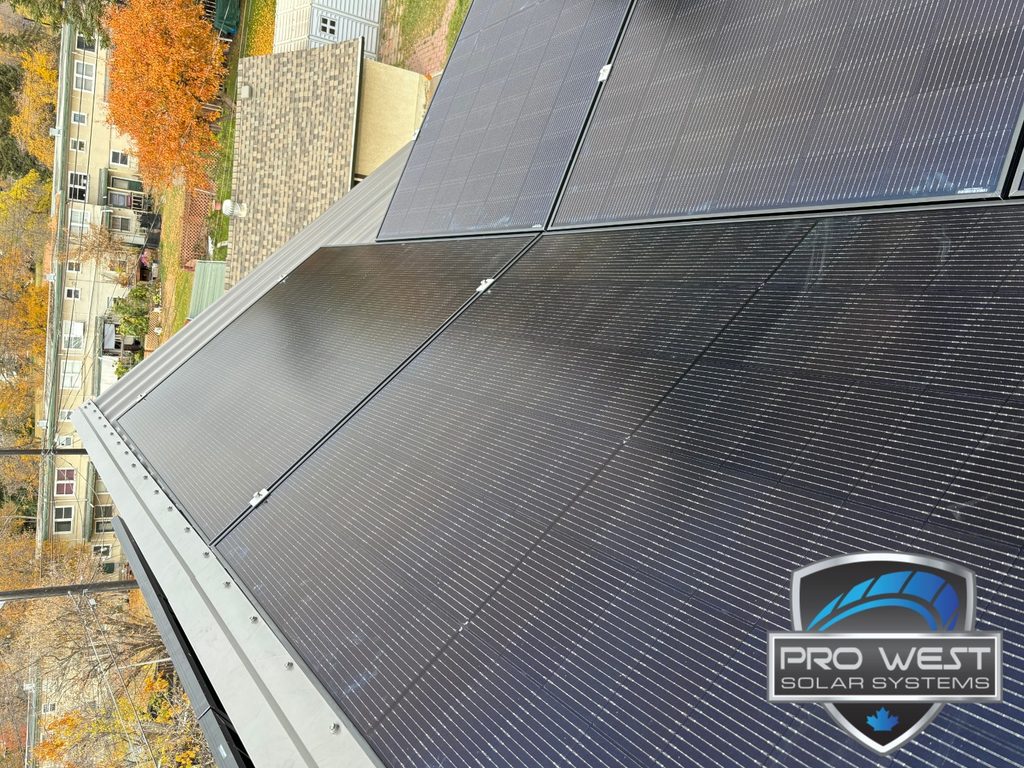
Once a design is approved, physical installation can begin on schedule. Mounting equipment is secured to the roof before panels are attached. Wiring is then connected to an inverter and the home’s electrical panel. This is often where coordination with a residential electrical contractor becomes necessary. Complex wiring upgrades or panel replacements may require licensed electrical expertise beyond standard solar work. Most residential projects are completed within a few working days.
When Should You Call a Residential Electrical Contractor?
Not every part of a solar project falls under standard installation work. Some homes require electrical panel upgrades before a system can be safely connected. Older wiring may not support the additional load from new solar equipment. A residential electrical contractor should be involved whenever panel capacity appears insufficient. Signs such as frequent breaker trips or outdated fuse boxes indicate deeper electrical concerns. Calling a licensed contractor early prevents delays once installation day arrives. This collaboration between solar teams and electrical professionals keeps every project code compliant and safe.
Warning Signs That Point to Electrical Upgrades
Certain warning signs suggest a home needs professional electrical attention first. Flickering lights, warm outlets, or a persistent burning smell should never be ignored. Homes older than several decades often have panels rated below modern demand. An electrical contractor can confirm whether upgrades are needed before solar work proceeds. Addressing these issues early avoids safety hazards and project delays down the road. Proactive homeowners typically save both time and money by resolving these concerns first.
Maximizing Energy Efficiency After Installation
Efficiency does not end once panels are mounted and connected. Pro West Solar Systems recommends regular maintenance to keep a system performing at its intended capacity. Simple tasks like clearing debris or checking connections support consistent output. Pairing a system with energy-efficient appliances further boosts overall household performance. Homeowners who monitor production data can spot issues before they affect efficiency. These ongoing habits help ensure the investment continues paying off for many years.
Frequently Asked Questions
Does solar panel installation work well in Alberta’s climate?
Yes. Alberta receives plenty of sunlight, and cold temperatures can improve panel efficiency. Angled panels also handle snow well, making the region suitable for residential solar.
How long does a typical residential project take to complete?
Most standard projects take one to three working days. Larger homes, complex roofs, permits, and inspections may require additional time.
Will existing home wiring need to be replaced before installation?
Not always. However, older homes may need a panel upgrade. A residential electrical contractor can check the wiring and electrical system before installation.
How much can a household expect to save on energy bills?
Savings depend on system size, energy use, and sunlight exposure. A personalized assessment provides the most accurate estimate of potential savings.
What should homeowners look for when comparing providers?
Look for transparent pricing, clear communication, local experience, and reliable reviews. A reputable provider should explain equipment options without pressure.
Does weather affect long-term system performance in this region?
Seasonal weather can affect daily output but rarely damages properly installed systems. Quality panels can handle snow, wind, and temperature changes for many years.
Conclusion
Solar panel installation offers a practical path toward greater home energy efficiency. It reduces grid dependence while lowering long-term utility expenses steadily. Local climate conditions across the region support strong year-round performance. Working with experienced installers and, when necessary, a residential electrical contractor ensures every project stays safe. Homeowners who plan carefully often see lasting value from their investment.
Ready to explore how solar energy could work for your property? Explore the location for Pro West Solar Systems here. Get honest assessments, transparent pricing, and clear guidance. Reach out today to take the first step toward a smarter, more efficient home.


