

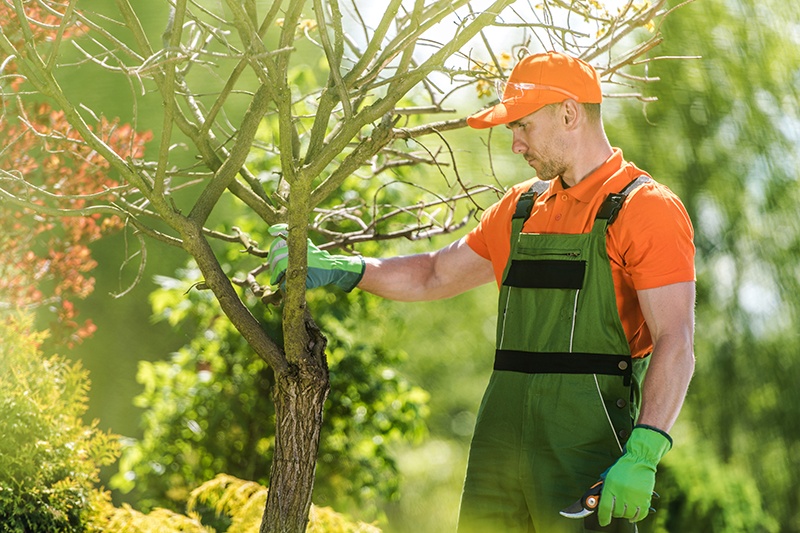
Winnipeg, a city nestled in the heart of Canada, boasts an abundance of beautiful trees that enhance its natural beauty. These urban oases not only provide shade and fresh air but also create a serene environment that rejuvenates both residents and visitors alike. To keep this natural treasure flourishing, proper tree care is vital. In this comprehensive guide, we will explore the art of tree care in Winnipeg, covering essential tips, expert advice, and real-life experiences to help you foster your trees’ well-being.
Table of Contents
- Tree Care Essential Tips for a Thriving Urban Forest
- Understanding Winnipeg’s Climate and Soil for Optimal Tree Growth
- Choosing the Right Tree Species for Your Winnipeg Landscape
- Proper Tree Planting Techniques for Long-Term Growth
- Watering Trees: Finding the Right Balance
- The Benefits and Techniques
- Pruning Trees: Enhancing Health and Aesthetics
- Fertilizing Trees: Providing Essential Nutrients
- Dealing with Common Tree Pests and Diseases
- Managing Winter Care for Your Trees
- Tree Support Systems: Staking and Guying
- Preserving Mature Trees: Valuing Heritage Trees
- Tree Care in Public Spaces: Community Engagement and Collaboration
- Sustainable Tree Care: Environmentally Friendly Practices
- Urban Forestry Regulations and Permits
- The Benefits of Hiring Professional Arborists
- Avoiding Common Tree Care Mistakes
- Sustainable Wood Usage: Responsible Tree Removal and Recycling
- Encouraging Wildlife in Your Urban Forest
- Tree Care and Property Value
- Addressing Tree Emergencies: Storm Damage and Quick Response
- The Role of Trees in Climate Change Mitigation
- Tree Care Trends and Innovations
- FAQs about Tree Care Winnipeg
- How often should I water newly planted trees in Winnipeg?
- What are some signs of tree pest infestations, and how can I treat them?
- Can I trim my trees by myself, or should I hire a professional?
- How can I protect my trees from winter damage?
- What are some eco-friendly tree care practices?
- Are there any specific regulations for tree care in Winnipeg?
- Conclusion
Tree Care Essential Tips for a Thriving Urban Forest
Understanding Winnipeg’s Climate and Soil for Optimal Tree Growth
Winnipeg experiences a diverse climate with cold, snowy winters and hot summers. Before planting trees, it is crucial to research the city’s microclimates and select tree species that are well-adapted to the local conditions. Additionally, conducting soil tests can provide valuable insights into soil fertility and potential nutrient deficiencies.
Choosing the Right Tree Species for Your Winnipeg Landscape
The success of tree care in Winnipeg largely depends on selecting the appropriate tree species. Consider factors such as mature size, growth rate, and maintenance requirements when choosing trees for your property. Native species like the Manitoba Maple or Bur Oak often thrive effortlessly in the local climate.

Proper Tree Planting Techniques for Long-Term Growth
Planting trees correctly is paramount for their long-term health and growth. Follow these steps for successful tree planting:
- Dig a hole twice as wide as the root ball but no deeper.
- Loosen the soil in the hole to promote root penetration.
- Position the tree in the center of the hole and fill it with soil.
- Create a watering basin around the tree’s base and water generously after planting.
Watering Trees: Finding the Right Balance
Proper watering is essential, especially during dry spells and the initial growth phase. Provide newly planted trees with ample water, ensuring the soil remains moist but not waterlogged. As the trees mature, adjust the watering schedule accordingly. Overwatering can suffocate roots, so always avoid letting water pool around the base of the tree.
The Benefits and Techniques
Mulching offers numerous benefits, including moisture retention, weed suppression, and temperature regulation. Apply a layer of organic mulch around the base of your trees, leaving space around the trunk to prevent rot. Replace or refresh mulch annually to maintain its effectiveness and prevent compaction. Organic mulch also breaks down over time, enriching the soil with nutrients.
Pruning Trees: Enhancing Health and Aesthetics
Regular pruning promotes healthy growth and enhances the tree’s overall appearance. Remember to prune dead or diseased branches, create clearance around structures, and maintain a balanced canopy. Use proper pruning tools to make clean cuts that heal efficiently and prevent disease. Late winter or early spring is typically the best time to prune most tree species.
Fertilizing Trees: Providing Essential Nutrients
Fertilizing can supplement soil nutrients and support tree health. However, avoid excessive use of fertilizers, as it can lead to nutrient imbalances and harm the trees. Consult with arborists to determine the right fertilization plan for your specific tree species. Conduct soil tests to identify nutrient deficiencies before applying fertilizers. Slow-release fertilizers are often preferred as they provide steady nourishment.
Dealing with Common Tree Pests and Diseases
Winnipeg’s urban forest faces several pests and diseases that can impact tree health. Stay vigilant for signs of infestation or disease and take immediate action, such as targeted treatments or professional intervention. Encourage biodiversity by planting various tree species to reduce the risk of widespread pest outbreaks. Early detection and proper care can significantly extend the life of affected trees.
Managing Winter Care for Your Trees
Winters in Winnipeg can be harsh, putting additional stress on trees. Protect your trees from harsh winter conditions by using mulch, wrapping young trunks, and watering adequately before the ground freezes. Prune weak or overhanging branches to reduce the risk of snow damage. Install windbreaks for added protection in exposed areas.
Tree Support Systems: Staking and Guying
Young and fragile trees might require support to withstand strong winds or heavy snow. Use staking and guying techniques with care to avoid damage to the tree’s trunk or root system. Remove stakes as soon as the tree establishes strong roots to prevent girdling. Ensure support materials are soft and flexible to prevent abrasion on the tree bark.
Preserving Mature Trees: Valuing Heritage Trees
Mature trees add character and history to Winnipeg’s landscape. Understand the significance of heritage trees and the importance of preserving them for future generations. Regular inspections and proper maintenance are crucial for preserving their health and structure. Promote awareness about the cultural and ecological value of heritage trees within the community.
Tree Care in Public Spaces: Community Engagement and Collaboration
Public spaces, such as parks and streets, play a vital role in Winnipeg’s urban forest. Engage with local community groups and authorities to contribute to tree planting initiatives and ensure proper tree care in public areas. Organize tree-care workshops to educate residents on best practices for urban forestry. Strong partnerships can foster a shared sense of responsibility for public green spaces.
Sustainable Tree Care: Environmentally Friendly Practices
Adopt eco-friendly tree care practices, such as composting, organic pest control, and water conservation, to minimize the environmental impact of your tree care routine. Reduce chemical usage by opting for natural alternatives like neem oil or beneficial insects. Implement rainwater harvesting systems to provide a sustainable water source for your trees.
Urban Forestry Regulations and Permits
Familiarize yourself with local urban forestry regulations and obtain necessary permits before undertaking any major tree care activities. Complying with these guidelines ensures the protection of both private and public trees. Ignoring regulations can result in penalties or harm to protected tree species, so always consult local authorities.
The Benefits of Hiring Professional Arborists
When facing complex tree care issues or dealing with large trees, seeking the assistance of certified arborists can be beneficial. Arborists possess the expertise to diagnose tree health, provide specialized protection, and implement appropriate solutions. They also ensure safety by using proper equipment and techniques for high-risk tasks like tree removal or pruning.
Avoiding Common Tree Care Mistakes
Knowing what not to do is as crucial as knowing what to do when it comes to tree care. Avoid common mistakes like over-pruning, improper watering, and using inappropriate tools. Ignoring seasonal care requirements can also lead to long-term health issues for your trees.
Sustainable Wood Usage: Responsible Tree Removal and Recycling
When tree removal is necessary, consider recycling or repurposing the wood rather than disposing of it. Sustainable wood usage helps minimize waste and promotes responsible environmental practices. Donated or salvaged wood can be transformed into furniture, mulch, or firewood for added sustainability.
Encouraging Wildlife in Your Urban Forest
Trees provide a habitat for various wildlife species. Create a welcoming environment for birds, insects, and small animals by adding birdhouses, feeders, and native plants to your landscape. Avoid using harmful pesticides to protect the food sources and safety of local wildlife.
Tree Care and Property Value
Well-maintained trees can significantly enhance property value. Invest in proper tree care to improve the aesthetics and desirability of your property. Trees also provide shade, reducing energy costs and increasing comfort for outdoor spaces.
Addressing Tree Emergencies: Storm Damage and Quick Response
Unforeseen events like storms can cause significant damage to trees. Know how to respond to tree emergencies promptly and safely, and seek professional help when necessary. Regular tree inspections can identify vulnerabilities and minimize damage risk during severe weather.
The Role of Trees in Climate Change Mitigation
Trees play a crucial role in mitigating climate change by sequestering carbon dioxide and releasing oxygen. Understanding this vital role can inspire further efforts to protect and expand urban forests.Incorporating diverse tree species enhances resilience and increases carbon capture potential.
Tree Care Trends and Innovations
Stay updated on the latest trends and innovations in care, such as advanced monitoring technology, eco-friendly treatments, and sustainable landscaping practices. Smart irrigation systems can optimize water usage and reduce waste. Innovations like biochar applications enrich soil health while sequestering carbon.
FAQs about Tree Care Winnipeg
How often should I water newly planted trees in Winnipeg?
For the first two years, water newly planted trees weekly during dry periods, ensuring the soil remains consistently moist.
What are some signs of tree pest infestations, and how can I treat them?
Signs of pest infestations include wilting leaves, holes in the bark, or unusual growths. For treatment, consider using targeted organic treatments or consult a professional arborist.
Can I trim my trees by myself, or should I hire a professional?
While light pruning can be done by homeowners, major pruning or dealing with large trees is best left to certified arborists to avoid potential damage to the tree.
How can I protect my trees from winter damage?
Protect trees from harsh winter conditions by adding mulch, wrapping young trunks, and providing adequate water before the ground freezes.
What are some eco-friendly tree care practices?
Eco-friendly practices include composting, using organic pest control, and conserving water during tree care routines.
Are there any specific regulations for tree care in Winnipeg?
Yes, familiarize yourself with local urban forestry regulations and obtain necessary permits before conducting tree care activities to ensure compliance.
Proper Watering For Your Lawn in Canada
Conclusion
Maintaining the urban oasis that is Winnipeg’s urban forest requires dedication, knowledge, and a commitment to sustainability. By understanding the unique climate and soil conditions, selecting appropriate tree species, and employing eco-friendly practices, you can ensure the health and longevity of your trees. Whether you’re a homeowner or a community member, your efforts in tree care contribute to a greener and more vibrant Winnipeg for generations to come.