



In the realm of home improvement and architectural innovation, cladding stands out as a revolutionary solution for enhancing the aesthetic appeal and functional performance of building exteriors. Cladding, which involves applying a layer of material to the exterior of a structure, offers myriad benefits that not only improve the look of a home but also bolster its durability and energy efficiency. In this comprehensive article, we explore the transformative benefits of cladding, providing you with the insights needed to make an informed decision about this versatile exterior solution.
Table of Contents
What is Cladding?
Cladding is the process of covering the exterior walls of a building with another material. This can be done for various reasons, including protection, insulation, and aesthetic enhancement. Common materials used for cladding include wood, metal, brick, vinyl, and composite materials. Each material brings its own unique set of benefits and can be chosen based on specific needs and preferences.
Enhancing Aesthetic Appeal
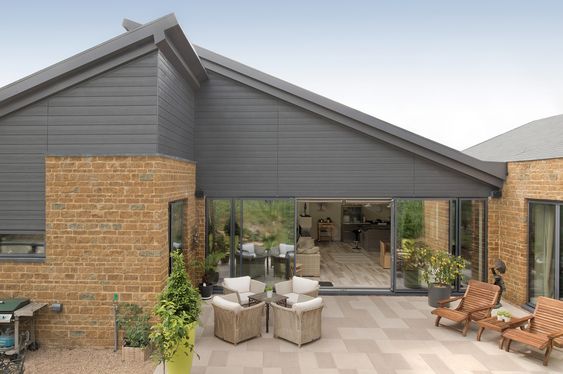
One of the most compelling reasons homeowners choose cladding is its ability to transform the aesthetic appeal of their homes. Cladding materials come in a wide range of colors, textures, and styles, allowing for extensive customization. Whether you prefer the rustic charm of timber, the sleek modernity of metal, or the classic elegance of brick, there is a cladding option to suit every architectural style and personal taste.
Wide Range of Designs
Cladding offers endless design possibilities. Homeowners can opt for traditional styles or contemporary looks, mixing and matching materials to create a unique exterior. The flexibility in design allows for personalized touches that can significantly enhance curb appeal and increase property value.
Improved First Impressions
A well-clad home makes a strong first impression, which is crucial for both personal satisfaction and potential resale value. A visually appealing exterior can attract prospective buyers and leave a lasting impression, making your home stand out in the neighborhood.
Boosting Durability and Protection
Beyond aesthetics, cladding plays a vital role in protecting the structural integrity of a building. It serves as a barrier against environmental elements such as rain, wind, and UV rays, thereby extending the lifespan of the underlying structure.
Weather Resistance
Cladding materials are designed to withstand harsh weather conditions. They offer protection from rain, preventing moisture from penetrating the walls and causing structural damage or mold growth. Additionally, cladding can protect against wind damage and provide a buffer against temperature fluctuations, which can lead to cracking and other forms of deterioration.
Fire Resistance
Many cladding materials, such as metal and specific composites, are fire-resistant, providing an extra layer of safety for your home. This can be particularly important in areas prone to wildfires or for homes built close to one another.
Low Maintenance
High-quality cladding materials require minimal maintenance. Unlike traditional paint or renderings, which may need regular upkeep and repainting, cladding can maintain its appearance and functionality with little intervention. This not only saves time and effort but also reduces long-term maintenance costs.
Energy Efficiency and Insulation
Cladding significantly enhances the energy efficiency of a home by providing an additional layer of insulation. This can lead to substantial savings on energy bills and contribute to a more sustainable living environment.
Thermal Insulation
Cladding materials such as insulated panels or composite cladding are excellent at improving thermal insulation. They help to keep the home warm in the winter and cool in the summer, reducing the reliance on heating and cooling systems. This results in lower energy consumption and a smaller carbon footprint.
Sound Insulation
In addition to thermal benefits, cladding also offers sound insulation. This can be particularly advantageous for homes located in noisy areas, such as near busy roads or airports. Cladding can help to create a more peaceful and comfortable indoor environment by reducing external noise infiltration.
Increasing Property Value
Investing in high-quality cladding can lead to a significant increase in property value. The combination of enhanced aesthetics, improved durability, and energy efficiency makes a clad home more attractive to potential buyers.
Enhanced Curb Appeal
A modern, well-maintained exterior can set your home apart from others on the market. The visual appeal created by cladding can increase buyer interest and potentially lead to higher offers.
Cost Savings
The durability and low maintenance of cladding materials mean that future owners will face fewer repair and upkeep costs. Additionally, the energy efficiency benefits translate to ongoing savings on utility bills, which is an appealing factor for eco-conscious buyers.
Environmental Benefits
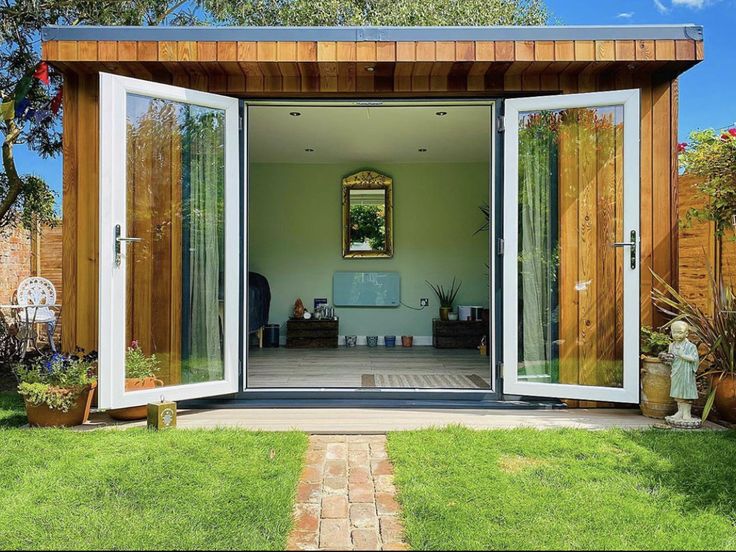
Choosing environmentally friendly cladding materials can have a positive impact on the environment. Many modern cladding options are made from sustainable resources or recycled materials, reducing the environmental footprint of your home.
Sustainable Materials
Opting for cladding made from sustainably sourced wood or recycled composites can contribute to the conservation of natural resources. These materials often have a lower environmental impact compared to traditional construction methods.
Energy Conservation
As mentioned earlier, the improved insulation provided by cladding reduces energy consumption, thereby lowering greenhouse gas emissions. This aligns with broader efforts to combat climate change and promotes a more sustainable lifestyle.
Conclusion
Cladding offers a multitude of benefits that can transform your home’s exterior, from enhancing aesthetic appeal and providing robust protection against the elements to improving energy efficiency and increasing property value. By choosing the right cladding material and design, homeowners can achieve a stunning, durable, and environmentally friendly facade that stands the test of time.


