

Table of Contents
- What Is a Cat Abscess?
- When Might Antibiotics Help?
- Why Can an Abscess Need Drainage?
- When Does More Extensive Surgery Become Necessary?
- Which Signs Need Prompt Attention?
- What Happens During the Appointment?
- What If the Abscess Bursts at Home?
- How Can You Support Recovery?
- Can You Reduce the Chance of Another Abscess?
- FAQs
- Get the Swelling Checked Before It Worsens
Antibiotics alone may not clear a cat abscess because trapped pus often needs drainage. Some cats also need wound cleaning, pain relief, or damaged tissue removed. A veterinarian should assess the swelling and choose treatment based on its cause, depth, and severity.
Finding a painful lump on your cat can feel worrying, especially when it suddenly leaks or smells unpleasant. You might wonder whether medicine can fix everything without a procedure.
The answer depends on what lies beneath the skin. A small puncture can hide a deeper infection, while some swellings have another cause entirely.
Understanding the treatment options helps you ask useful questions and avoid delays.
What Is a Cat Abscess?
An abscess is a pocket of pus caused by infection. In cats, bite wounds are a common trigger.
A tooth can push bacteria beneath the skin during a fight. The tiny opening may close quickly, trapping bacteria inside.
Swelling and pain may appear several days later. Your cat might hide, limp, or repeatedly lick one spot.
If you are considering cat surgery in Encino, an examination comes before any decision about a procedure. The first step is confirming whether the lump contains an infection.
An abscess may feel firm or soft. Its appearance alone cannot tell you which treatment your cat needs.
When Might Antibiotics Help?
Antibiotics may help when infection spreads into surrounding tissue or makes your cat unwell. Your veterinarian considers the examination findings and your cat’s overall health.
However, not every abscess needs antibiotics. Some uncomplicated abscesses improve with adequate drainage and cleaning under veterinary care.
AAHA and AAFP guidelines emphasize treating the infection source alongside choosing appropriate medicine. For an abscess, that may mean releasing trapped pus.
Avoid using leftover antibiotics from another pet or an earlier illness. The drug, dose, and treatment length may be unsuitable.
Give prescribed medicine exactly as directed. Contact your veterinarian if giving it becomes difficult or side effects develop.
Never change the dose or stop treatment without advice, even when the swelling looks better.
Why Can an Abscess Need Drainage?
An antibiotic cannot physically empty a pocket of pus. Drainage allows infected material to escape so the area can be cleaned.
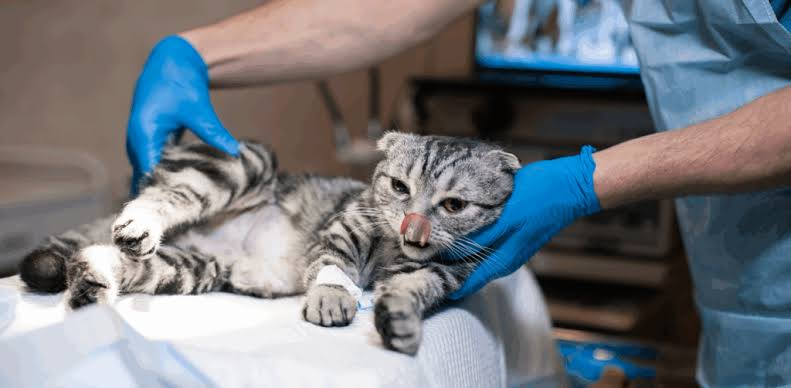
Your veterinarian may open the abscess, flush the pocket, and check for hidden debris. Sedation or anesthesia may help make treatment safe and comfortable.
A temporary drain sometimes keeps fluid moving out while the wound begins healing. Other wounds remain partly open for drainage.
Hearing about pet surgery in Encino may bring major operations to mind. However, treatment can involve a limited wound procedure.
Ask what your cat needs, why it helps, and whether sedation or general anesthesia is recommended.
The procedure’s size does not remove the need for pain control and careful aftercare.
When Does More Extensive Surgery Become Necessary?
Some abscesses involve damaged tissue that needs removal. Others contain foreign material that keeps the infection returning.
A persistent wound may need exploration to find the underlying problem. Repeatedly changing antibiotics may leave the cause untreated.
The location also matters. An abscess near a tooth follows a different treatment plan from a bite wound.
For example, antibiotics alone do not cure a tooth root abscess. The affected tooth generally needs extraction or suitable root canal treatment.
Ask whether the recommended procedure treats the cause or only relieves symptoms. That distinction helps explain why medicine alone may fail.
Which Signs Need Prompt Attention?
Contact a veterinarian promptly when you notice a painful swelling, pus, or a suspected bite wound. Do not wait for it to burst.
Cat bite abscesses often develop within two to four days. Changes in appetite or energy may appear before obvious swelling.
Watch for these signs:
- A growing lump or painful swelling.
- Pus, an unpleasant smell, or an open wound.
- Hiding, limping, or repeated licking.
- Eating less or refusing food.
- Reduced energy or reluctance to move.
Breathing trouble, collapse, or rapid decline requires immediate veterinary attention.
Tell the clinic when symptoms started and whether your cat may have fought. Mention existing illnesses and current medicines.
A veterinarian in Encino can assess the swelling and determine how quickly treatment should begin.
What Happens During the Appointment?
The veterinarian will ask about recent injuries, outdoor access, appetite, and behavior. They will examine the swelling and surrounding tissue.
Clipping some fur may reveal punctures hidden beneath the coat. Your cat’s comfort helps guide how the examination proceeds.
Depending on the findings, testing may include a sample from the swelling or bloodwork.
A bacterial culture can help guide antibiotic choice, particularly when treatment fails or infection returns.
Ask about the proposed procedure, pain relief, recovery plan, and total estimate. You should also know whom to contact after discharge.
At Encino Pet Hospital & Emergency, Dr. Ashkan Farahany, DVM, has experience in emergency medicine and soft tissue surgery. He earned his veterinary degree in 2017. The hospital provides in-house surgical care, monitored anesthesia, and written recovery instructions.
What If the Abscess Bursts at Home?
A burst abscess still needs veterinary attention. An opening may release some pus while leaving deeper pockets behind.
Do not assume that less swelling means the infection has cleared. Contact your veterinarian and describe the discharge and your cat’s behavior.
Avoid squeezing, cutting, or probing the area. These actions can hurt your cat and make safe handling harder.
Ask for cleaning instructions before applying products. Hydrogen peroxide can damage healing tissue and delay recovery.
Keep your cat indoors and prevent licking as advised. A frightened or painful cat may bite during handling.
How Can You Support Recovery?
Follow the discharge instructions rather than a general home remedy. Cleaning methods differ depending on the wound and any drain.
Before leaving, confirm these details:
- Which medicines to give and when.
- How to clean the wound safely.
- Whether a cone is needed.
- When a drain or stitches need removal.
- Which changes require an earlier recheck.
Keep recovery calm and limit activity as directed. Check appetite, comfort, swelling, and discharge each day.
Report worsening pain, renewed swelling, or failure to improve. Your veterinarian may need to reassess drainage or investigate another cause.
When comparing options for veterinary surgery near you, ask about follow-up care as well as the procedure.
Clear aftercare instructions help you recognize problems and get advice promptly.
Can You Reduce the Chance of Another Abscess?
Preventing fights can reduce bite wounds and repeat infections. Consider safer outdoor arrangements and ways to reduce conflict between household cats.
Neutering can reduce roaming and fighting. Discuss your cat’s circumstances with your veterinarian.
If abscesses keep returning in the same place, mention that pattern. A hidden foreign object or unresolved infection may need investigation.
Following treatment and attending rechecks also helps confirm that healing is progressing.
FAQs
Can my cat’s abscess heal without antibiotics?
Some uncomplicated abscesses heal after veterinary drainage and cleaning. A veterinarian must decide whether antibiotics are also needed.
Does every cat abscess need surgery?
No. Treatment depends on its depth, location, and cause. Some need drainage; others require more extensive wound treatment.
Should I squeeze pus out of my cat’s abscess?
No. Squeezing can cause pain and will not reliably empty the infection. Arrange veterinary assessment instead.
Can I wait because my cat is still eating?
Eating does not rule out a painful infection. Contact your veterinarian promptly about a suspected abscess.
Will my cat need anesthesia for abscess drainage?
Possibly. The veterinarian considers pain, location, wound depth, and safe handling when choosing sedation or anesthesia.
Why does my cat’s abscess keep coming back?
Possible causes include trapped debris, incomplete drainage, or an unresolved infection. A veterinary recheck can identify the next step.
Get the Swelling Checked Before It Worsens
Antibiotics can play an important role, but they cannot replace drainage when infected material remains trapped. A prompt examination helps identify the cause and choose treatment that supports lasting healing.