

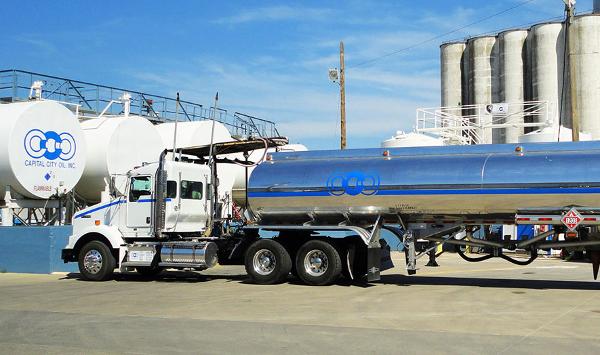
In recent years, growing environmental awareness and stricter regulations have pushed every gasoline supplier to rethink how fuel is produced, refined, and delivered. As governments and global organizations continue to set higher benchmarks for air quality and emissions reduction, the traditional role of a fuel supplier is shifting toward innovation, compliance, and sustainability.
Table of Contents
Let us explores how gasoline suppliers are adapting to cleaner fuel standards, what that means for businesses and consumers, and how gas companies are becoming key players in the movement toward a greener future.
Why Cleaner Fuel Standards Matter
Cleaner fuel standards aim to reduce harmful pollutants such as sulfur, carbon monoxide, and nitrogen oxides, which are common byproducts of gasoline combustion. These pollutants contribute to smog, respiratory illnesses, and climate change. To align with new regulations set by bodies such as the U.S. Environmental Protection Agency (EPA), European Union (EU), and Canada’s Environment and Climate Change agency, Gasoline suppliers are playing a key role in distributing compliant fuels and supporting environmental goals.
As a result, fuel suppliers are not only expected to meet these standards—they’re expected to lead the charge toward more sustainable practices.
How Gasoline Suppliers Are Adapting
1. Reformulating Fuel for Lower Emissions
Modern gasoline suppliers are actively reformulating fuel blends to reduce their environmental impact. One of the most notable changes is the reduction of sulfur content. Low-sulfur and ultra-low-sulfur gasoline blends produce significantly fewer emissions and are more compatible with today’s advanced engine technologies.
Additionally, some suppliers are increasing ethanol content in fuel blends. Ethanol, a bio-based additive, helps lower the carbon intensity of fuel and burns cleaner than traditional gasoline.
2. Partnering with Renewable Fuel Initiatives
Forward-thinking fuel suppliers are investing in or collaborating with renewable fuel programs. This includes blending biofuels like ethanol, biodiesel, and renewable gasoline substitutes to reduce reliance on fossil fuels. These initiatives align with carbon reduction goals while maintaining engine performance.
Many gas company incorporates renewable diesel and hydrogen fuels into their long-term strategies to stay ahead of evolving energy trends.

3. Upgrading Infrastructure for Compliance
Meeting cleaner fuel standards often requires infrastructure upgrades. Many gasoline suppliers have improved their logistics and distribution services by modernizing storage facilities, tanker fleets, and pumping systems to safely handle low-emission fuels. These advancements help maintain fuel integrity, minimize contamination, and comply with evolving storage and transport regulations.
For example, corrosion-resistant storage tanks and vapor recovery systems are now standard in newer facilities to reduce both environmental and workplace hazards.
4. Investing in Cleaner Fuel Logistics
Transportation accounts for a large portion of the emissions in the fuel supply chain. Today’s fuel suppliers are optimizing delivery routes, upgrading to low-emission transport vehicles, and adopting software that reduces fuel waste in distribution. Some suppliers are even offsetting carbon emissions with credits or renewable energy investments.
5. Educating Commercial Clients
A modern gasoline supplier does more than just deliver fuel—they act as an information partner. A gas company in today’s market increasingly provides resources and guides to educate commercial clients on how cleaner fuels impact engine performance, emissions, and regulatory compliance. Workshops, webinars, and custom reports help fleet managers and plant operators make smarter decisions.
Benefits for Businesses and Consumers
When gas companies prioritize cleaner fuels, the benefits go beyond compliance:
- Improved Engine Longevity: Cleaner fuels reduce deposits and wear on internal components.
- Regulatory Compliance: Businesses avoid costly penalties and support ESG goals.
- Brand Reputation: Companies aligned with sustainability are viewed more favorably by customers and investors.
- Operational Efficiency: Cleaner fuels and efficient delivery models help reduce downtime and maintenance costs.
FAQs About Gasoline Suppliers and Clean Fuel Standards
What are clean fuel standards?
Clean fuel standards are regulations that limit harmful emissions from fuels like gasoline and diesel. They set limits on pollutants such as sulfur and require the inclusion of renewable or low-carbon components.
How do gasoline suppliers comply with these regulations?
To align with evolving fuel regulations, many gasoline suppliers are upgrading their services by adopting cleaner formulations, integrating biofuels, improving infrastructure, and streamlining supply chain monitoring to maintain compliance.
Are cleaner fuels more expensive?
Cleaner fuels may carry a slightly higher upfront cost due to production and transportation changes. However, they often lead to lower engine maintenance costs and improved efficiency over time.
Can all vehicles use cleaner fuel blends?
Most modern vehicles are designed to handle low-emission fuel blends, especially those with up to 10–15% ethanol. However, older engines may require adjustments or specific formulations.
What role does a fuel supplier play beyond delivery?
Today’s fuel suppliers offer consultation, tracking, compliance support, and reporting tools to help businesses manage their fuel usage more sustainably.
Final Thoughts
The energy landscape is changing—and gasoline suppliers are evolving right alongside it. From low-sulfur fuel formulations to infrastructure improvements and renewable fuel integration, the modern fuel supplier plays a vital role in helping industries meet today’s clean energy goals.
Whether you’re a fleet operator, construction manager, or logistics coordinator, partnering with a forward-thinking gas company can ensure not only reliable fuel delivery but also long-term compliance and sustainability.
As cleaner fuel standards become the norm, make sure your gasoline supplier is helping you stay ahead—not holding you back.