

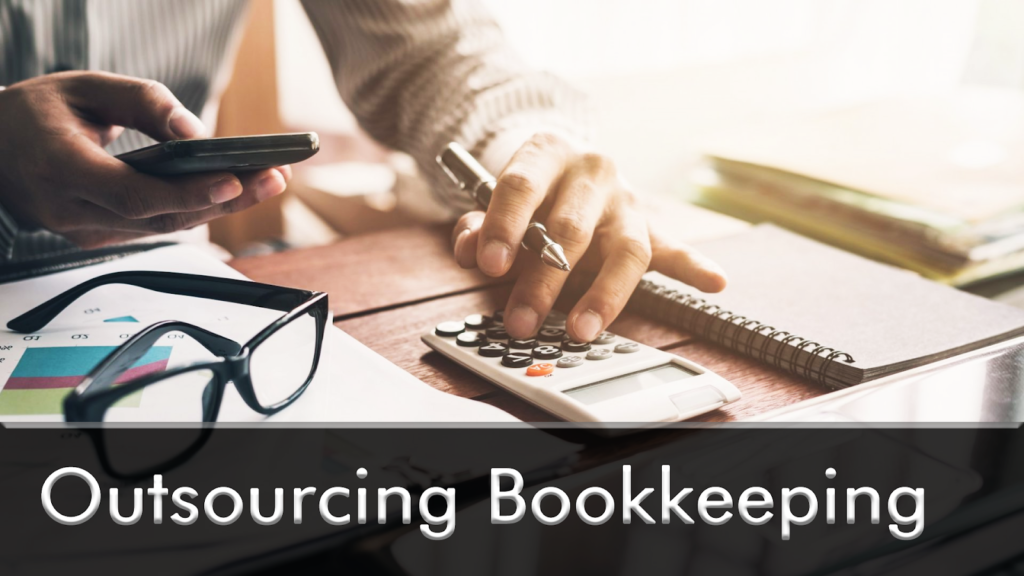
Effective financial management is the cornerstone of any successful business. As companies expand and financial operations become more complex, maintaining accurate bookkeeping becomes increasingly challenging. This is where outsourced bookkeeping services play a critical role. Businesses across the globe are leveraging these services to ensure precision, compliance, and efficiency in their financial management processes.
Table of Contents
- Understanding Outsourced Bookkeeping Services
- Why Businesses Choose Outsourced Bookkeeping Services
- The Role of Offshoring Companies in the Philippines
- Benefits of Partnering with Offshoring Companies in the Philippines
- Finance Blogs to Empower Your Financial Decisions
- How to Choose the Right Outsource Bookkeeper
- The Process of Outsourced Bookkeeping
- Challenges and Solutions in Outsourced Bookkeeping
- The Future of Outsourced Bookkeeping Services
- Conclusion
- FAQs
- 1. What are outsourced bookkeeping services?
- 2. Why should businesses consider outsourcing bookkeeping?
- 3. Why are offshoring companies in the Philippines popular for bookkeeping services?
- 4. How do I choose the right outsource bookkeeper?
- 5. What are the future trends in outsourced bookkeeping services?
Understanding Outsourced Bookkeeping Services
Outsourced bookkeeping services involve delegating financial record-keeping tasks to external professionals. These services include maintaining ledgers, managing accounts payable and receivable, preparing financial statements, and ensuring tax compliance. By opting to outsource bookkeeping, businesses can focus on core operations while leaving financial intricacies to experts.
One of the significant benefits of outsourced bookkeeping services is cost efficiency. Hiring in-house bookkeepers entails expenses such as salaries, benefits, training, and infrastructure. In contrast, outsourcing offers access to skilled professionals at a fraction of the cost. This financial prudence allows businesses to allocate resources to growth-oriented activities.
Why Businesses Choose Outsourced Bookkeeping Services
The decision to outsource bookkeeping stems from various strategic advantages:
- Access to Expertise: Outsourcing provides access to experienced bookkeepers who are well-versed in the latest accounting standards and financial regulations.
- Scalability: As businesses grow, their financial needs evolve. Outsourced bookkeeping services offer scalable solutions that adapt to changing requirements.
- Technological Advancements: Outsourced bookkeepers use advanced accounting software and tools, ensuring accuracy and efficiency.
- Time-Saving: By delegating bookkeeping tasks, business owners and managers can concentrate on strategic decision-making.
- Risk Reduction: Professional bookkeepers minimize the risk of errors, fraud, and non-compliance.

The Role of Offshoring Companies in the Philippines
Offshoring companies in the Philippines have emerged as leading providers of outsourced bookkeeping services. The country offers a talented pool of accounting professionals with a strong command of the English language and familiarity with global accounting standards. Moreover, offshoring companies in the Philippines provide cost-effective solutions without compromising quality.
The Philippines’ strategic location and robust infrastructure make it an ideal destination for outsourcing financial services. Many businesses, particularly from the US, UK, and Australia, have established long-term partnerships with offshoring companies in the Philippines to handle their bookkeeping needs efficiently.
Benefits of Partnering with Offshoring Companies in the Philippines
Cost Savings
Businesses can significantly reduce operational costs by outsourcing to the Philippines due to lower labor costs and overhead expenses. Companies can access high-quality accounting services at a fraction of the cost compared to Western countries. Outsourcing also eliminates the need for additional office space, equipment, and employee benefits, further driving savings. These cost advantages allow businesses to allocate resources more efficiently and invest in growth opportunities.
Skilled Workforce
The Philippines has a highly skilled workforce with expertise in various accounting software such as QuickBooks, Xero, and SAP. Many Filipino accountants are certified professionals familiar with international accounting standards like GAAP and IFRS. The country produces a large number of accounting graduates annually, ensuring a steady supply of talent. Their technical proficiency and continuous professional development make them valuable assets to global businesses.
Finance Blogs to Empower Your Financial Decisions
Efficient Outsourcing to Virtual Assistants: A Complete Guide
Outsource Agency Philippines: The Benefits of Outsourcing for Businesses
Cost Savings and Improved Budget: Exploring the Remote Staff in Outsourcing
Time Zone Advantage
The time zone difference between the Philippines and Western countries allows for round-the-clock operations. Businesses can benefit from faster turnaround times as outsourced teams can work on tasks outside of regular business hours. This advantage ensures that financial reports, reconciliations, and other accounting processes are completed overnight. As a result, companies experience improved efficiency and reduced workflow bottlenecks.
Cultural Compatibility
Filipino professionals are known for their strong work ethic, adaptability, and excellent English communication skills. Their cultural familiarity with Western business practices ensures smooth collaboration with international clients. Filipinos are also highly customer-oriented, making them effective in handling client interactions and financial reporting. This cultural compatibility fosters better teamwork and reduces misunderstandings in outsourced operations.
How to Choose the Right Outsource Bookkeeper
Selecting the right outsource bookkeeper is crucial for effective financial management.
Here are essential factors to consider:
Experience and Credentials
When hiring a bookkeeper, ensure they have relevant experience in your industry and appropriate certifications, such as CPA or QuickBooks certification. A well-qualified bookkeeper understands financial regulations and best practices, reducing the risk of errors. Verify their track record by checking client reviews or asking for references. Their expertise will help maintain accurate financial records and ensure compliance with tax laws.
Technological Proficiency
A skilled bookkeeper should be proficient in modern accounting software like QuickBooks, Xero, or FreshBooks. Familiarity with automation tools and cloud-based platforms improves efficiency and reduces manual errors. They should also stay updated on emerging financial technologies to streamline processes. Proficiency in these tools ensures accurate bookkeeping and easy financial reporting.
Customization
Every business has unique financial needs, so a good bookkeeper should offer tailored solutions. They should understand your industry-specific requirements and adjust their services accordingly. Whether you need cash flow management, payroll processing, or tax preparation, customization enhances efficiency. A flexible approach ensures your financial records align with your business goals.
Security Measures
Data security is crucial when handling financial records, so choose a bookkeeper with robust security protocols. They should use encrypted software, secure servers, and multi-factor authentication to protect sensitive information. Compliance with data protection laws, such as GDPR or HIPAA, is also essential. Ensuring strong security measures prevents fraud and data breaches.
Communication
Clear and consistent communication is vital for a smooth bookkeeping process. A reliable bookkeeper should be responsive to queries and provide regular financial updates. They must explain financial reports in a way that business owners can easily understand. Strong communication fosters transparency and helps in making informed financial decisions.
Outsource bookkeepers bring a wealth of experience and knowledge, ensuring that financial records are accurate, up-to-date, and compliant with regulatory standards. This strategic partnership allows businesses to focus on growth and innovation.
The Process of Outsourced Bookkeeping
The process typically involves:
- Assessment: This stage involves understanding the business’s financial needs by analyzing cash flow, expenses, and revenue sources. It includes identifying gaps in financial management and determining the best accounting solutions. A thorough assessment ensures that the business’s financial strategy aligns with its goals.
- Onboarding: This phase focuses on setting up accounting systems and ensuring seamless data transfer. It includes configuring accounting software, integrating bank accounts, and importing historical financial data. Proper onboarding minimizes errors and establishes a strong foundation for accurate bookkeeping.
- Execution: Daily bookkeeping tasks involve recording transactions, reconciling bank statements, and managing accounts payable and receivable. Ensuring accuracy and consistency in financial records is crucial for smooth business operations. Timely execution helps maintain compliance and financial transparency.
- Reporting: Financial reports provide a clear picture of a business’s performance and health. These reports typically include income statements, balance sheets, and cash flow statements. Regular reporting helps business owners make informed decisions and track financial trends.
- Review and Analysis: This step involves evaluating financial reports to identify patterns, inefficiencies, and growth & opportunities. By interpreting key financial metrics, businesses can optimize budgets and improve profitability. Expert analysis provides actionable insights for strategic decision-making.
Challenges and Solutions in Outsourced Bookkeeping
While outsourced bookkeeping offers numerous benefits, it also comes with challenges such as data security concerns, communication gaps, and quality assurance.
However, these challenges can be mitigated by:
- Implementing stringent data security measures.
- Establishing clear communication channels.
- Regularly reviewing and auditing financial records.
The Future of Outsourced Bookkeeping Services
The demand for outsourced bookkeeping services is on the rise. With technological advancements such as cloud computing, automation, and AI, the future of bookkeeping is set to become more efficient and accurate. Businesses that leverage these services will benefit from streamlined operations and enhanced financial management.
Conclusion
Strategic financial management is essential for business success, and outsourced bookkeeping services provide a reliable and efficient solution. By partnering with offshoring companies in the Philippines, businesses can access skilled professionals, reduce costs, and ensure accurate financial records. As the business landscape evolves, outsourcing bookkeeping will continue to be a strategic choice for companies aiming for growth and efficiency.
FAQs
1. What are outsourced bookkeeping services?
Outsourced bookkeeping services involve hiring external professionals to manage financial records, including accounts payable, receivable, financial reporting, and tax compliance.
2. Why should businesses consider outsourcing bookkeeping?
Outsourcing bookkeeping offers cost savings, access to expert bookkeepers, scalability, and enhanced accuracy, allowing businesses to focus on core operations.
3. Why are offshoring companies in the Philippines popular for bookkeeping services?
Offshoring companies in the Philippines offer skilled professionals, cost-effective solutions, and excellent communication, making them ideal partners for bookkeeping services.
4. How do I choose the right outsource bookkeeper?
Consider experience, technological proficiency, data security measures, customization options, and effective communication when selecting an outsource bookkeeper.
5. What are the future trends in outsourced bookkeeping services?
Future trends include increased use of cloud computing, automation, and AI, enhancing the efficiency and accuracy of bookkeeping services.